

When to Go to Swedish Lapland
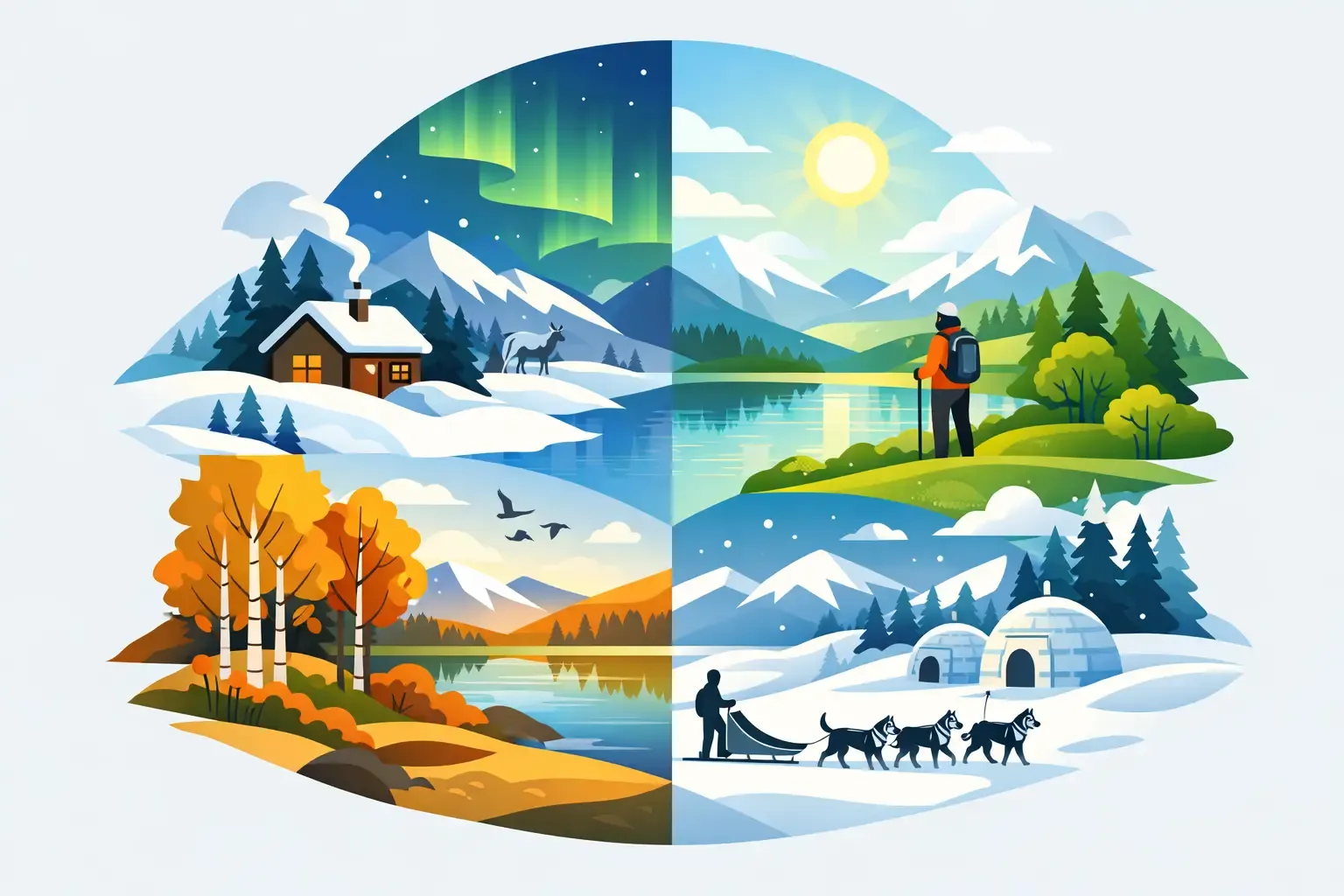
Some trips are built around a hotel pool. Swedish Lapland is not one of them. If you are asking when to go to Swedish Lapland, the real question is what kind of Arctic experience you want – deep winter, bright spring snow, golden autumn or the wild calm of summer under the midnight sun.
That matters because Swedish Lapland changes fast with the seasons. Snow depth, daylight hours, temperatures, wildlife activity and the feel of the landscape all shift dramatically across the year. Get the timing right and you do not just see the place – you feel it properly.
When to go to Swedish Lapland depends on the experience
There is no single best month for everyone. The best time depends on whether you want husky sledding and snowmobiles, northern lights and proper Arctic darkness, spring skiing with longer days, or hiking and paddling under endless light.
For most first-time visitors from the UK, winter is the obvious draw. It delivers the Swedish Lapland people picture first – frozen rivers, heavy snow in the trees, woodsmoke, aurora nights and that crisp cold that makes every breath feel sharp and clean. But winter also asks more of you. It is colder, darker and more physically committing.
If you want the drama without the deepest cold, late winter and early spring often strike the best balance. If you are more interested in space, silence and wilderness than snow-based activities, summer and autumn deserve far more attention than they usually get.
December to February – for full Arctic winter
If your dream is classic snow-covered Swedish Lapland, this is the season. Midwinter brings frozen landscapes, reliable snow conditions and the strongest sense that you have travelled somewhere genuinely northern. This is the time for dog sledding, snowshoeing, snowmobiling and nights spent watching the sky for northern lights.
December has atmosphere in spades. Around Christmas and New Year, the landscape feels at its most magical, with short days and long blue twilight. The trade-off is that daylight is limited, and temperatures can be severe. For some travellers, that is the whole point. For others, especially if it is their first Arctic trip, it can be a sharper introduction than expected.
January is usually the coldest and most serious month. The snow is dependable, visitor numbers can settle after the festive period, and the darkness gives you strong aurora potential. If you want a proper winter expedition feel, January delivers. You need to be ready for very low temperatures and to trust your kit and guides.
February keeps the winter conditions but begins to feel a little more forgiving. The light starts to return, which changes everything. Days are still firmly wintry, but the landscape opens up and activities become easier to enjoy for longer. For many people, February is one of the smartest times to go.
March and April – often the sweet spot
Ask experienced Arctic travellers when to go to Swedish Lapland and many will point to March. Snow conditions are usually still excellent, but there is far more daylight than in the depths of winter. That means more time outside, better visibility for big landscapes and a less intense overall experience without losing the snow and cold that make the region special.
March works especially well for active trips. Husky sledding, skiing, snowshoeing and snowmobile journeys all benefit from longer days. The temperatures can still be well below freezing, but they are often less punishing than January. If you want adventure with a little more comfort, this is a strong choice.
April is spring by the calendar, but in much of Swedish Lapland it can still feel very much like winter. Snow often remains, particularly inland and further north, and bright sunny days can make travel feel more uplifting and less harsh. It is a good month for those who want snow underfoot but do not fancy the darker side of an Arctic winter.
The compromise is that aurora viewing becomes less reliable as the nights shorten. If the northern lights are top priority, midwinter to March usually gives you better odds. If your priority is being active in snow-covered terrain with more daylight and a bit more ease, April can be excellent.
May to August – for midnight sun and a different Lapland
Summer in Swedish Lapland surprises people. The snow retreats, rivers open, trails dry out and the whole region shifts from monochrome winter to green forests, broad valleys and long, luminous evenings that hardly become night at all.
This is the season for hiking, paddling, fishing and wildlife watching. Instead of chasing aurora in darkness, you are moving through landscapes washed in near-constant daylight. It is a brilliant time for people who want wilderness without extreme cold, or who are drawn to journeying through remote places on foot or by canoe.
June and July bring the midnight sun effect, especially in the far north. That endless light changes your sense of time completely. Days feel bigger. Distances feel more possible. You can finish dinner and still head out for an evening walk that feels like late afternoon.
Summer is not perfect for everyone. If your image of Swedish Lapland is snow, sled dogs and frozen lakes, this is not the season for that. Mosquitoes can also be part of the picture in some areas, especially around wetlands and still conditions. Good clothing and a practical mindset deal with most of it, but it is worth knowing before you go.
August often feels calmer and slightly richer in colour. The air can sharpen a little, and the first hints of autumn begin to show towards the end of the month. For travellers who want walking, paddling and a strong sense of space, late summer can be a very rewarding time.
September to November – for colour, quiet and northern lights returning
Autumn is the most underrated answer to when to go to Swedish Lapland. Early autumn can be stunning, with birch forests turning yellow and orange, fewer visitors in many areas and a raw, seasonal feel that suits travellers looking for something quieter and more reflective.
September is especially appealing if you want hiking, photography and a real sense of transition in the landscape. The temperatures are cooler, the insects usually ease off, and darker nights start to return, which means the northern lights can come back into play. You do not get guaranteed snow, but you do get contrast – crisp air, autumn colour and the first edge of winter building in the background.
October and November are shoulder-season months, and that can mean mixed conditions. Some people love that unpredictability. Others would rather wait for full snow cover or come earlier for settled autumn walking. These months can be excellent for aurora watching because the nights are long again, but activity options depend heavily on the weather in a given year.
If you are booking a trip built around a specific experience, this is where expert guidance matters most. Shoulder season can be rewarding, but it benefits from flexibility and realistic expectations.
So what is the best month?
If you want the broadest appeal, March is hard to beat. It gives you real winter, good snow, longer days and strong potential for northern lights. For many travellers, it hits the sweet spot between challenge and comfort.
If the northern lights are your main reason for going, December to March is usually best, with darker months giving you the longest viewing window. If dog sledding and snowmobile travel are top priorities, January through April tends to be strongest, depending on local conditions. If you want hiking, canoeing and long wilderness days, aim for June to August. If you want quieter trails, autumn colour and a more contemplative feel, look closely at September.
The right answer also depends on who you are travelling with and how you like to travel. A couple looking for a winter escape may choose February or March. A seasoned outdoor traveller after a more immersive Arctic journey might be perfectly happy in January. Someone who loves wild spaces but does not enjoy extreme cold may find summer or early autumn far more rewarding.
That is where a guided trip makes a real difference. The Arctic is not difficult because it is hostile all the time. It is difficult because conditions matter, timing matters and details matter. Done well, it feels smooth, exciting and deeply memorable. Snow and Paddles builds trips around exactly that balance – real adventure, properly led.
A final way to choose
Do not start with the calendar. Start with the story you want to come home with. Sleeping under a winter sky waiting for aurora? Driving a dog team through silent forest? Skiing through bright spring snow? Paddling under a midnight sun that never quite sets?
Swedish Lapland gives you all of those, but not all at once. Pick the season that matches the experience, and the place will do the rest.