

Wildlife Watching Holiday Sweden Guide
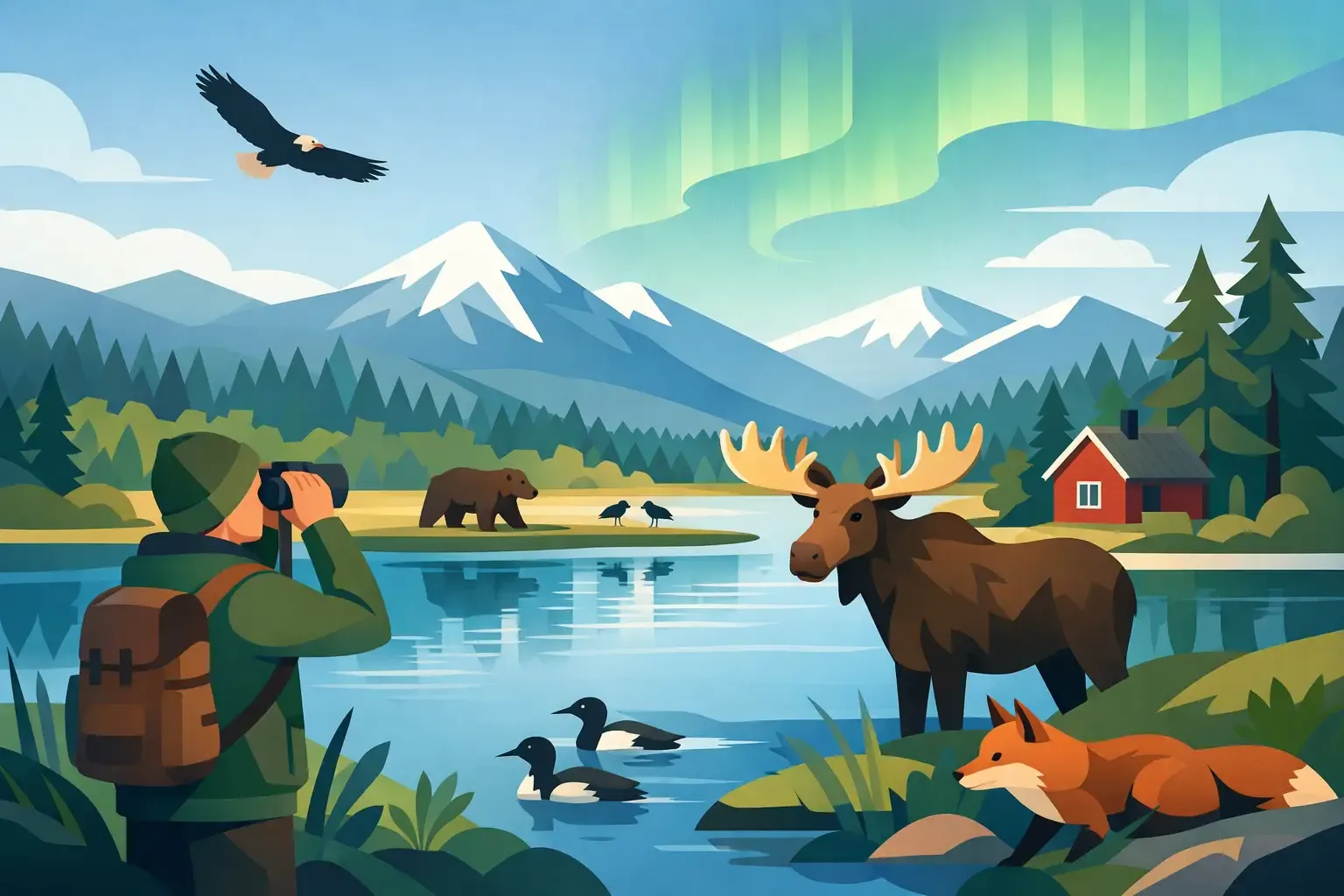
A bull moose stepping out of the treeline at dawn has a way of resetting your idea of a good holiday. So does hearing wolves in the distance, spotting a sea eagle over a frozen bay, or watching a brown bear emerge at the edge of the forest while everything else goes still. A wildlife watching holiday Sweden offers that kind of shift. It is not polished, crowded or predictable. It is wild in the proper sense of the word, and that is exactly why it stays with you.
Sweden suits travellers who want more than a quick tick-list of species. The country gives you space, clean air, long light in summer, deep snow in winter and vast forests where the pace of the day changes. Wildlife watching here is as much about the setting as the sighting. You are not just chasing an animal. You are stepping into a landscape where nature still sets the terms.
Why a wildlife watching holiday in Sweden feels different
There are easier places to see captive animals or guaranteed sightings. Sweden is not that. What it offers instead is authenticity. When you head into the forest, wetlands or mountain edge with an experienced guide, you are entering habitat that still works on its own terms. That adds uncertainty, but it also adds meaning.
For many travellers from the UK, that matters. You want proper wilderness without the complexity of organising a major expedition. Sweden is reachable, well set up for guided outdoor travel and rich in species that feel genuinely exciting to encounter in the wild. Moose, brown bear, beaver, lynx, wolverine, wolf, reindeer and a huge range of birdlife all shape the experience, even when you do not see every animal on your wish list.
The trade-off is simple. If you want certainty, wildlife parks do that better. If you want the real thing, Sweden wins every time.
What wildlife can you realistically see?
The honest answer is that it depends on the season, the region and how patient you are. Moose are one of the most sought-after sightings and, with the right timing and guiding, they are often one of the more realistic goals. Beaver watching can also be highly rewarding, especially on quiet evening paddles. Brown bear trips are possible in specific areas and usually rely on well-managed hides and strong local knowledge.
Birdlife is often the sleeper highlight. Sea eagles, cranes, owls, capercaillie and woodland species can turn a trip from good to outstanding. If you enjoy the wider rhythm of nature rather than only large mammals, Sweden gives you far more than a single headline sighting.
Predators such as lynx, wolf and wolverine sit in a different category. They are present, but elusive. A good guide can help you read tracks, signs and habitat, which often becomes part of the reward. Seeing evidence of an animal that few people ever witness can be as memorable as the sighting itself.
Best time for a wildlife watching holiday Sweden
Spring and early summer are excellent if you want active landscapes, birdsong, longer days and good chances of seeing animals feeding at woodland edges. This is also when wetlands and forests feel full of movement. For photographers, the softer light and fresh colour can be a real advantage.
High summer brings long hours and comfortable conditions, but wildlife can be less visible in the middle of the day. The answer is not to do more. It is to do things at the right time – early mornings, late evenings and quiet observation.
Autumn is strong for moose watching and for travellers who like cooler air, changing forests and a stronger sense of the season turning. The landscape feels sharper, and animal movement can become easier to interpret.
Winter changes the experience completely. You may not see the same variety, but snow transforms tracking. Suddenly the landscape records what has happened overnight. Prints, trails and signs become part of the story. If you are drawn to Arctic conditions, winter wildlife watching offers a deeper wilderness feel, though it does ask more of you in terms of clothing, comfort and tolerance for cold.
Where to go in Sweden
Central Sweden is a strong starting point for many wildlife trips. Its forests, lakes and quieter road networks create the right conditions for moose, beaver and birdlife. It is often the best fit for travellers who want a balanced trip with comfortable guiding logistics and a genuine sense of remoteness.
Further north, Swedish Lapland brings a more elemental experience. Reindeer are part of the landscape, birdlife can be exceptional and the sheer scale of the terrain changes your perspective. This region can also combine well with snow-based adventure, which appeals if you want your holiday to include more than passive observation.
Southern Sweden has its own appeal, especially for wetlands and bird migration, but if your idea of a wildlife watching trip includes deep forest, low human density and a stronger wilderness atmosphere, central and northern regions are usually the better choice.
This is where guided local knowledge matters. Sweden is big, and a map alone does not tell you where animals are feeding, moving or resting. The difference between a decent area and the right area on the right day is often what turns a trip into something memorable.
Guided or self-planned?
You can plan parts of a Sweden wildlife trip yourself, but there are clear advantages to going guided. The first is simple: your chances improve. Experienced guides know habitat, timing, wind, access routes and seasonal behaviour. They also know when to stay still and when to move on.
The second advantage is that the whole trip works harder. A good guide is not just there to point at an animal. They help you understand tracks, feeding patterns, terrain, weather and safety. That deeper layer turns a sighting into a proper encounter.
Then there is the practical side. Organising transport, remote accommodation, specialist hides, local permissions and the right schedule takes time. For busy UK travellers who want the wildness without the admin headache, a structured guided trip makes sense.
That is why companies such as Snow and Paddles resonate with so many outdoor travellers. The appeal is not simply access to Sweden. It is expert-led access, where the logistics are already handled and the experience is built for people who want challenge, immersion and reassurance in equal measure.
What to expect from the experience
A wildlife trip in Sweden is usually quieter than people first imagine. There will be travel, walking, waiting, scanning and listening. At times, there will be nothing obvious happening at all. Then a shape moves in the trees, or a bird call changes, or your guide stops and points to fresh tracks in soft ground. That tension between stillness and sudden reward is part of the magic.
You should also expect varied conditions. Some days feel calm and straightforward. Others are wet, windy or cold. Proper kit matters, but so does mindset. The best wildlife travellers are not always the fittest or most experienced. They are the ones willing to be patient, adaptable and switched on.
Photography can be a major part of the trip, but it does not have to dominate it. If you are bringing a camera, be realistic. Long lenses help, low-light performance matters and wildlife rarely turns up exactly where you hoped. If you are not photographing, there is real freedom in simply watching.
How to choose the right trip
Start with what excites you most. If your heart is set on moose, look for regions and seasons that support that goal. If you want a broader wilderness experience with a mix of tracking, paddling and observation, choose a trip designed around habitat rather than a single species.
Be honest about comfort and effort too. Some wildlife holidays are soft adventure with easy access and lodge-based evenings. Others involve early starts, rougher weather and longer periods outdoors. Neither is better. The right one is the one you will fully enjoy.
It also helps to ask what else you want from the week. Sweden works brilliantly for travellers who like combining wildlife with canoeing, hiking, snow travel or wider nature immersion. That blend often creates a richer trip than pursuing one dramatic sighting at all costs.
A good wildlife holiday should leave room for the unexpected. The best memories are often not the exact animal you planned for, but the whole chain of moments around it – the cold air at first light, the silence before movement, the shared look when everyone realises what is happening.
Sweden rewards people who are willing to show up properly, pay attention and let the wild set the pace. If that sounds like your kind of holiday, you are already closer to the experience than you think.