

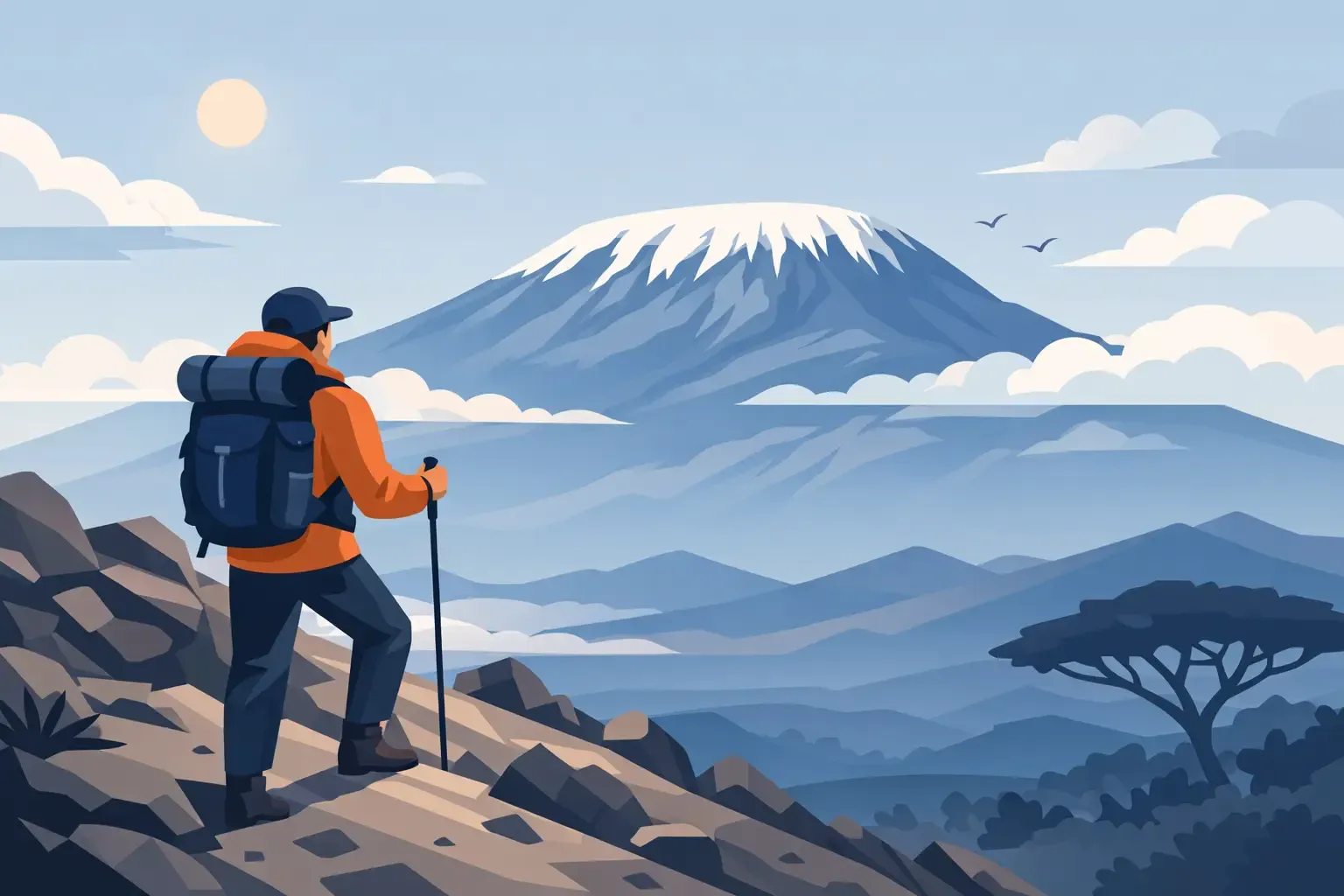
How Hard Is Kilimanjaro Climb Really?
Ask anyone who has stood on Uhuru Peak at sunrise and you will usually get the same answer: the question is not simply how hard is Kilimanjaro climb, but what kind of hard it is. Kilimanjaro is not a technical mountain. You do not need ropes, crampons or climbing experience on the standard routes. But that does not make it easy. It is a long, high-altitude trek that tests your pacing, mindset and preparation far more than your appetite for drama.
That distinction matters. Many people hear “walkable mountain” and assume Kilimanjaro is little more than a tough hill with a famous name. Others imagine it is only for hardened mountaineers. The truth sits in the middle. For a reasonably active person with the right training, enough time to acclimatise and good support around them, Kilimanjaro is absolutely achievable. But it should still be treated with respect.
How hard is Kilimanjaro climb compared with other treks?
Physically, Kilimanjaro is often more demanding than people expect and less technical than they fear. If you have done long days in the hills in the UK, multi-day trekking trips or back-to-back walks carrying a day pack, you will recognise parts of the challenge. What changes everything is altitude.
At 5,895 metres, Kilimanjaro is high enough for the air to become the main obstacle. Even strong walkers can struggle badly once they are above 4,000 metres. You might feel powerful on training days at home and still find yourself moving at a snail’s pace on summit night. That is normal. On Kilimanjaro, fitness helps, but it does not give you immunity from altitude.
The terrain itself varies by route, but on most itineraries you are dealing with long trekking days, uneven paths, loose scree, cold nights and one especially tough push to the summit. There are no exposed alpine climbing sections on the usual trekking routes, yet fatigue builds steadily over several days. It is a mountain of attrition rather than technical difficulty.
What actually makes Kilimanjaro difficult?
The biggest factor is altitude, followed closely by the length of the trek. Many summit attempts fail not because people are unfit, but because they ascend too quickly and their bodies do not adapt. Headaches, nausea, poor sleep and loss of appetite can all become part of the experience. None of those symptoms are unusual, but they can turn a manageable climb into a very hard one.
Summit night is the point most people remember. You normally start in darkness, often around midnight, and climb for hours in freezing conditions on tired legs. By then, sleep debt has built up. Your breathing feels shallow. Every step can feel slower than it should. It is rarely the steepest day in purely physical terms, but it is usually the hardest mentally.
Weather adds another layer. You can walk through rainforest, moorland, alpine desert and arctic conditions in one trip. That means heat, dust, rain, wind and bitter cold can all feature in the same expedition. Managing layers, hydration and energy becomes part of the challenge.
Who finds Kilimanjaro hardest?
People who underestimate it usually suffer most. That includes very fit gym-goers who assume general fitness is enough, and inexperienced trekkers who do not realise what multiple long days on foot will feel like. Kilimanjaro rewards consistency, patience and humility more than raw athleticism.
If you are active but new to trekking, the mountain may feel hard because your body is not used to repeated days of walking uphill and downhill. If you are an experienced hiker, it may still feel hard because altitude does not care about your weekend mileage. If you rush, ignore small symptoms or skip preparation, the difficulty ramps up quickly.
That said, plenty of first-time high-altitude trekkers reach the summit. Age alone is not a barrier, and you do not need to be an ultra-runner. We have seen people succeed because they trained sensibly, listened to guides and paced themselves properly. Kilimanjaro is demanding, but it is not reserved for an elite few.
How fit do you need to be?
You need a solid aerobic base, decent leg strength and the ability to recover from one long day and go again the next morning. In practical terms, that means you should be comfortable walking for several hours at a steady pace on hilly terrain and able to handle sustained ascents without falling apart.
Training for Kilimanjaro should focus less on speed and more on durability. Long walks with ascent, back-to-back training days and time spent carrying a loaded day pack will serve you well. Stair sessions, hill repeats and strength work for your glutes, calves and core all help, but the best preparation is still time on your feet.
You do not need to train like an alpinist. You do need to turn up ready for repeated effort. If a six-hour walk in the hills currently wipes you out for two days, you have work to do. If you can move well for a full day outdoors, recover sensibly and repeat the process, you are building the right kind of fitness.
How hard is Kilimanjaro climb for beginners?
For beginners, Kilimanjaro is hard but realistic if approached properly. The key is not previous mountaineering experience. It is your willingness to prepare and to choose an itinerary that gives you the best chance of acclimatising.
A common mistake is choosing the shortest route to save time or money. That usually makes the climb harder. Shorter itineraries mean faster ascent, less acclimatisation and lower summit success rates. A longer route may look more demanding on paper because it includes extra days, but in reality it often feels more manageable because your body has more time to adjust.
Guided support makes a significant difference here. Good leaders set the pace, monitor health, manage the logistics and keep the team focused when the mountain starts to bite. For many people, that structure is the difference between a punishing slog and a tough but deeply rewarding expedition.
The mental side of the mountain
Kilimanjaro asks for patience. You walk slowly, sleep imperfectly and spend days building towards one big effort. If you are the sort of person who likes instant progress, that can be frustrating. The mountain does not reward rushing.
The mental challenge often comes from accumulation. A poor night’s sleep here, a headache there, a cold morning, a dusty trail, another layer to put on, another litre of water to drink. None of it is dramatic on its own. Together, it wears people down.
That is why mindset matters. The strongest climbers are often the ones who stay calm, keep eating and drinking, and break the climb into small pieces. Reach the next rest stop. Keep a rhythm. Follow the guide’s pace. Kilimanjaro becomes much more manageable when you stop wrestling the whole mountain at once.
What makes it easier?
Preparation changes the experience. Training helps, of course, but so does choosing the right route length, taking acclimatisation seriously and arriving healthy, rested and well-equipped. Boots that fit, layers you trust and a realistic understanding of the conditions all matter.
So does pacing. On Kilimanjaro, slow is strong. The famous “pole pole” approach is not a cliché for tourists. It is sound mountain practice. The people who charge early often pay for it later.
Nutrition and hydration are easy to overlook and hard to fake. Eating enough when altitude blunts your appetite can be difficult, but it is essential. The same goes for drinking steadily even when it is cold. Small habits become big outcomes at altitude.
Finally, the quality of your guiding team matters. A well-run expedition does more than lead the way. It creates margin for safety, confidence and better decision-making. That is especially important on a mountain where how you feel can change quickly from one camp to the next.
So, is Kilimanjaro hard?
Yes, for most people it is hard. But it is a very particular kind of hard. It is not hard because you need advanced climbing skills. It is hard because altitude is relentless, summit night is long, and the mountain exposes weak preparation and poor pacing.
It is also one of the most achievable big-mountain goals in the world. With the right route, proper training and experienced support, many ordinary but determined people make it to the top. That is part of its appeal. Kilimanjaro sits in that rare space between accessible and formidable.
If you are drawn to it, take that seriously. Train well. Respect the altitude. Choose support you trust. Then give yourself the chance to find out what you are capable of. Mountains like this do not just test you – they show you how much more there is in the tank when you commit properly.