

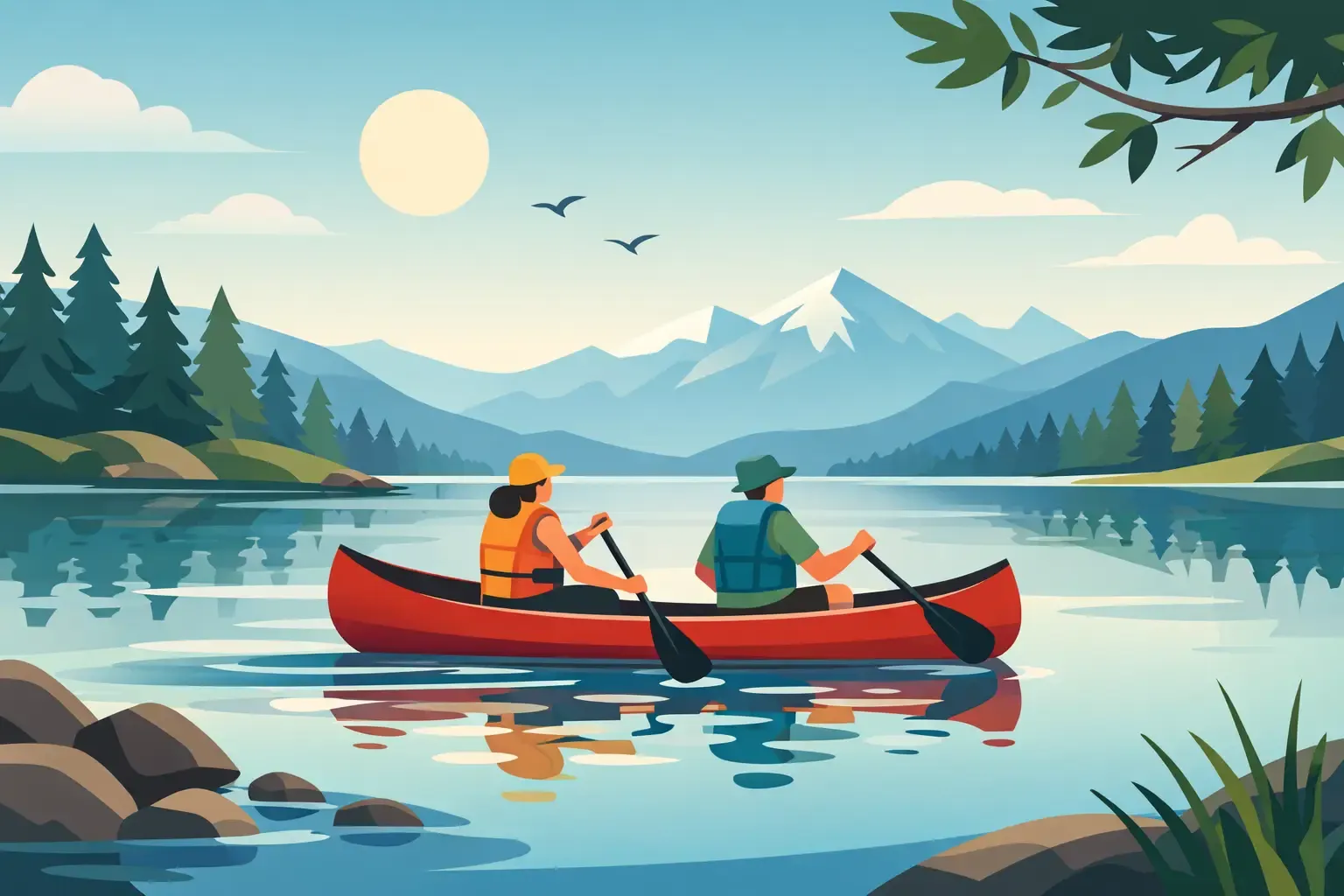
Canoe Expedition for First Timers
A canoe always looks simple from the bank. Two paddles, a few dry bags, a quiet stretch of water. Then you push off, feel the boat move under you, and realise a canoe expedition for first timers is not about brute strength or perfect technique. It is about rhythm, teamwork and settling into the outdoors with the right support around you.
That is exactly why so many people are drawn to it. A canoe expedition gives you proper adventure without needing years of experience. You do not need to be a hardened paddler or a survival expert. You need a willingness to learn, decent waterproofs, and the kind of mindset that enjoys being out in weather, on water and away from the usual noise.
Why a canoe expedition for first timers is such a strong first adventure
Some outdoor challenges hit hard from the first hour. A canoe journey tends to build. You start with the basics – how to hold a paddle, how to get in and out cleanly, how to help the boat run straight – and before long you are travelling under your own effort through real landscapes, carrying what you need and earning every mile.
That matters. A first expedition should feel like an achievement, not an ordeal. Canoeing gives you time to adapt. The pace is steady, the learning curve is manageable and the rewards arrive early. Even on day one, you feel the shift. The phone stays packed away. Conversations get better. Your attention sharpens because the environment asks for it.
For many first-timers, the biggest surprise is how quickly confidence grows. Not because the challenge disappears, but because you realise you can do more than you thought. You can paddle into a headwind. You can land on a rough bank without drama. You can carry kit, make camp and wake up ready to go again.
What first-timers usually worry about
Most people do not worry about paddling itself. They worry about getting it wrong in front of others, slowing the group down or turning up underprepared. All normal. A good guided expedition is built around those concerns.
You are not expected to arrive knowing strokes, commands or camp systems. That is the point of proper leadership. The right guide team creates a structure where learning happens naturally, without making beginners feel like passengers. You are taught what you need, when you need it, and the trip is paced so people can improve as they go.
Fitness is the other common concern. You do not need elite endurance for a beginner canoe trip, but you do need to be honest about your current level. Paddling for several hours, lifting kit and living outdoors takes energy. The good news is that many first expeditions are designed to be accessible for active adults with no specialist background. If you can walk for a few hours, handle a day outdoors and stay positive when conditions are not perfect, you are often in a good place to start.
What a guided canoe expedition actually feels like
It starts earlier than most people expect. There is the pre-trip kit check, the briefings, the small nerves while everyone sizes up the boats and weather. Then comes the practical part – fitting buoyancy aids, packing barrels or dry bags properly, and learning how to trim the canoe so it sits well on the water.
The first few miles are rarely elegant. Boats zig-zag. Paddles drip. Someone oversteers. Someone forgets to stop paddling when turning. Then things click. You begin to read the water a little better. The canoe stops feeling unstable and starts feeling responsive. The group settles into a shared pace.
This is where the expedition element takes over. You are no longer just trying an activity. You are moving through a landscape with purpose. Campsites, lunch spots, portages and changing weather all become part of the day. That is what makes it memorable. You are not consuming an experience. You are taking part in it.
A guided trip also removes a lot of hidden stress. Route choice, group management, safety cover, camp logistics and contingency planning all sit with experienced leaders. That frees you up to focus on the adventure itself, which is exactly what most first-timers want.
What to pack without overthinking it
Packing for a canoe trip is more forgiving than packing for a mountain expedition, but it still matters. The key is to think in systems rather than single items. Keep yourself dry, keep warm when you stop, and make sure essential kit is easy to reach.
Clothing should be practical rather than fashionable. Quick-drying layers work far better than heavy cotton. You want waterproofs that can handle a full day of rain, footwear you do not mind getting wet, and warm layers for the evening once you are off the water. In the UK especially, a bright morning can become a cold, wet afternoon very quickly.
Dry storage is not optional. Even calm days can leave kit damp from paddle drip, spray or poor packing. Anything you care about – spare clothes, sleeping kit, electronics – should be properly protected. This is one area where beginners often underprepare, not because they do not care, but because they underestimate how water gets everywhere.
Do not overpack. On a supported expedition, your guide will usually help you understand what is provided and what is worth bringing. The more unnecessary kit you carry, the more awkward every landing and portage becomes.
Skills you will learn fast on your first trip
A strong canoe expedition for first timers teaches more than paddling. Yes, you will pick up the basics of forward paddling, turning, stopping and working as a pair. But you will also learn how to move efficiently as a team, how to load a boat so it handles well, and how to make better decisions outdoors.
You will likely learn the value of small routines too. Waterproofs on before you are soaked. Snacks before you are flat. Camp sorted before you sit down. These are simple expedition habits, but they make a huge difference.
There is also a mental side that people rarely talk about enough. You get better at managing discomfort without making it bigger than it is. Wet hands, a stiff back, a headwind across open water – none of it is dramatic, but all of it asks for composure. That is part of the appeal. Adventure builds capacity in a very practical way.
Choosing the right first expedition
Not every canoe trip suits every beginner. A two-day journey can be ideal if you want a proper taste of expedition life without committing to a full week. A longer trip gives you more time to settle in and often feels more immersive, but it also asks more from your body and mindset.
The environment matters as well. Flatwater journeys are usually a better first step than technical white water. Remote does not always mean harder, but remoteness does increase the importance of planning, weather judgement and self-sufficiency. If this is your first time, it makes sense to choose a trip where the challenge is real but the learning environment is supportive.
This is where an experienced operator earns their place. A company such as Snow and Paddles can match first-timers to expeditions that feel ambitious without becoming overwhelming. That balance matters. The best first trip should leave you tired, proud and hungry for more, not merely relieved it is over.
The trade-offs first-timers should understand
A guided expedition gives you expertise, structure and reassurance. It also means travelling to a group pace and working within the shape of the trip. For most beginners, that is a strength, not a drawback. You learn faster, stay safer and spend less time worrying about logistics.
Weather is another trade-off worth accepting upfront. If you want a polished, predictable outdoor break, canoe expeditions may not be for you. Water levels change. Wind changes plans. Camps can be damp. The point is not comfort at all times. The point is that real conditions make the experience feel earned.
And while canoeing is accessible, it is still an expedition activity. You will be asked to contribute, adapt and engage. That is exactly why people remember it.
If you are waiting to feel completely ready, you may wait a long time. Better to choose the right trip, trust the process and start. Your first canoe expedition does not need perfection. It just needs the moment when the bank slips behind you and a bigger version of your life moves into view.