

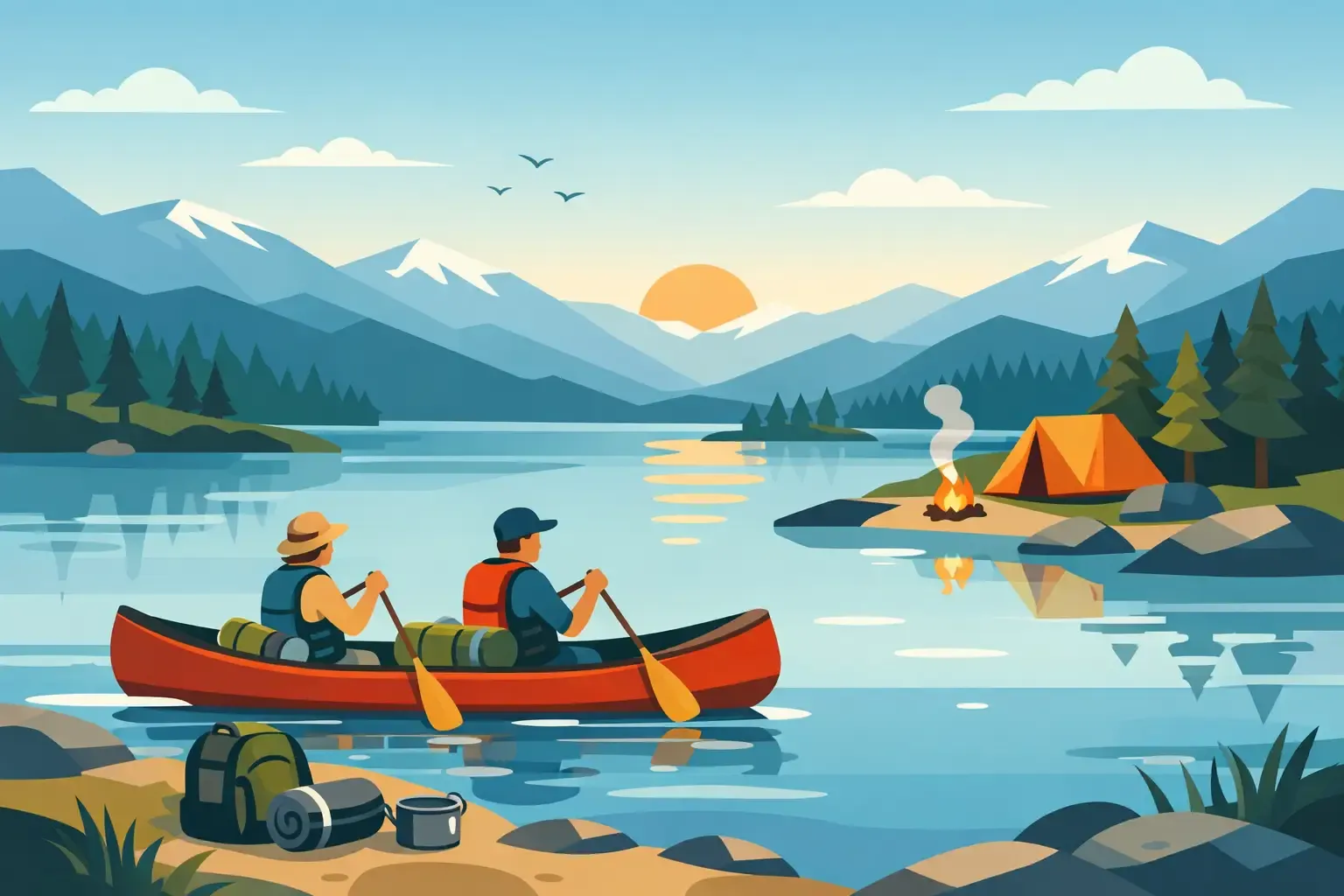
Multi Day Canoe Adventure: What to Expect
A multi day canoe adventure starts changing shape long before the first paddle stroke. It begins when you trade your usual routine for a map, a dry bag and a few days of moving through wild country under your own effort. That shift is the real draw. You are not just travelling across water. You are stepping into a slower, sharper way of being outdoors.
For many people, that is exactly why canoe journeys stay with them. They strip life back to the essentials in the best possible way – paddle, camp, eat well, sleep deeply, wake up and do it again. The rhythm is simple, but the experience is not. A good trip can feel adventurous, demanding, peaceful and deeply rewarding all in the same day.
Why a multi day canoe adventure feels different
A day on the water is enjoyable. A multi day canoe adventure is something else entirely. Once you add camps, changing weather, distance and the steady build of a journey, the experience gains weight. You stop thinking in hours and start thinking in miles, shorelines and the next headwind. That is where the real adventure lives.
There is also a psychological shift that happens when you commit to more than one day. You are not simply trying an activity. You are living it for a while. The canoe becomes transport, your kit matters more, and small decisions begin to count. Where you land, how you pack, when you stop for food, how you manage your energy – it all becomes part of the trip.
That does not mean it is only for hardened expedition paddlers. Far from it. Guided journeys make this kind of adventure accessible to beginners because the complex parts are handled properly. Route choice, safety planning, group leadership and camp systems are already in place, which means you can focus on learning, paddling and enjoying the landscape.
What most people get wrong before they go
The biggest mistake is assuming canoe expeditions are all upper-body strength and grit. Technique matters more than brute force, and steady consistency matters more than speed. A fit beginner with the right mindset often does better than someone who turns up strong but impatient.
The second mistake is worrying too much about whether they are “outdoorsy enough”. If you can listen, adapt and keep a sense of humour when the weather turns, you are already bringing useful expedition skills. Canoe journeys reward resilience and attitude as much as experience.
The third is packing like they are preparing for every possible scenario. On a paddling trip, too much kit becomes its own problem. The aim is not to bring your whole life with you. It is to bring what works, keep it dry and know where it is when you need it.
How to prepare for a multi day canoe adventure
Preparation matters, but it does not need to be complicated. Start with the basics: build general fitness, spend some time walking with a pack, and if possible, get used to being outside for long days in mixed weather. You do not need elite endurance. You need enough capacity to paddle steadily, help with camp and recover well overnight.
Clothing is where smart choices pay off quickly. Think practical layers rather than bulky extras. You want kit that dries reasonably fast, keeps you comfortable in wind and rain, and works just as well around camp as it does on the water. Good waterproofs, warm layers and dry storage are worth far more than fancy gadgets.
Mindset deserves just as much attention. Conditions may change. Progress may be slower than planned. You may get wet, tired or both. None of that means the trip is going wrong. Often, those are the moments that turn a straightforward outing into a proper adventure.
What a guided canoe journey gives you
A guided trip is not about removing challenge. It is about placing that challenge in the right hands. Strong leadership changes the feel of a journey because it gives the whole group confidence. You know the route has been considered carefully, the conditions are being monitored and the pace is being managed by someone who understands both the environment and the people in it.
That support matters even more on a longer trip. Water levels, wind, group energy, camp choice and safety decisions all shape the experience. Good guides do not just keep things moving. They help people settle into expedition life, build paddling skills and feel capable in places that might otherwise seem daunting.
For beginners, this creates a much better introduction than trying to organise everything alone. For experienced travellers, it allows more focus on the journey itself rather than carrying the full burden of logistics and decision-making. Either way, you get more from the adventure.
The pace of life on expedition
One of the best parts of a canoe journey is how quickly the noise drops away. Phones become less relevant. Time stretches. Meals taste better. Simple routines gain importance. You start noticing the line of the trees, the angle of the light, the change in the water surface before the wind hits.
There is effort, of course. Some sections feel smooth and easy. Others can be slower, especially into wind or over longer distances. That is part of the bargain. The reward is not comfort in the conventional sense. It is the satisfaction of moving through a landscape under your own power and earning each campsite along the way.
By the second or third day, many paddlers find they have settled into a stronger rhythm than they expected. Loading boats becomes quicker. Strokes become more efficient. Camp jobs become automatic. Confidence grows naturally because it is built through doing, not talking.
Multi day canoe adventure kit without overpacking
The best kit choices are usually the least dramatic ones. Prioritise waterproof storage, dependable layers, a warm sleeping setup and footwear that can cope with getting wet. If something has only one very specific use, question whether it earns its place.
Food is another area where people either overcomplicate things or bring too little. On expedition, meals need to be practical, filling and morale-boosting. A proper hot meal at camp can lift the whole group, especially after a long day in poor weather. Equally, easy snacks during the day help keep energy steady rather than waiting until you are already running low.
It also helps to be realistic about comfort. You can absolutely be comfortable on a canoe trip, but comfort comes from systems that work, not from trying to recreate home. Dry kit, a decent sleeping mat and organised bags matter more than luxury items.
Who this kind of trip suits best
A multi day canoe adventure suits more people than they think. It works well for active beginners who want a real challenge without needing to become logistics experts overnight. It is also a strong choice for couples, friends and solo travellers who want shared purpose rather than passive sightseeing.
If you like the idea of travel with a bit more edge, this style of trip makes sense. You cover ground, learn practical skills and come away with a stronger sense of what you can do. It appeals to people who want more from a break than good photos and a comfortable bed.
That said, it is not about forcing misery for the sake of bragging rights. The best expeditions find the sweet spot between challenge and support. Enough stretch to feel meaningful, enough structure to feel safe, and enough downtime to enjoy where you are.
Why the place and the people matter
Any canoe route can look impressive on paper, but the quality of the experience depends on more than scenery. Group dynamic, leadership and trip design make a huge difference. The right route for beginners is not always the most remote or longest. Sometimes the better choice is a journey that gives people time to learn, settle and actually enjoy the environment.
That is where an experienced operator earns trust. A well-run expedition is not just a route with canoes attached. It is a carefully built experience, from pacing and campcraft to safety systems and support on the ground. Companies such as Snow and Paddles understand that adventure should feel bold without feeling reckless.
A good group can elevate the whole trip as well. Shared effort tends to create quick bonds. By the end of a few days on the water, people who were strangers often feel like a proper team. There is something about paddling, carrying kit and cooking in the open that gets rid of small talk fast.
What you take home
The real value of a canoe expedition is not just the distance covered. It is the after-effect. You return with better perspective, a stronger sense of capability and the kind of memories that stay clear for years. Not because everything was easy, but because it was real.
That is why these journeys matter. They give you a rare combination of challenge, beauty and simplicity. They prove that adventure does not need to be extreme to be life-shaping. Sometimes it just needs a few days, a canoe, and the decision to go further than usual.
If you have been thinking about doing it, take that seriously. A well-planned trip can meet you exactly where you are now and still take you somewhere bigger.