

Can Beginners Join Snow Expeditions?
The first question most people ask is not about temperature, distance or fancy kit. It is simpler than that: can beginners join snow expeditions without slowing the group down or biting off more than they can handle? In many cases, yes. But the real answer depends on the trip, the terrain, the support around you and how honestly you choose your starting point.
A good snow expedition should feel stretching, not reckless. There is a big difference between your first guided winter journey in Scandinavia and a high-consequence polar-style route where every decision matters. The strongest operators know that beginner-friendly does not mean watered down. It means well planned, well led and built to help ordinary people do something extraordinary in the right way.
Can beginners join snow expeditions safely?
They can, provided the expedition is designed with beginners in mind. That means qualified leaders, clear pre-trip information, sensible pacing, proper safety systems and realistic daily objectives. It also means the company is honest about who the trip is for.
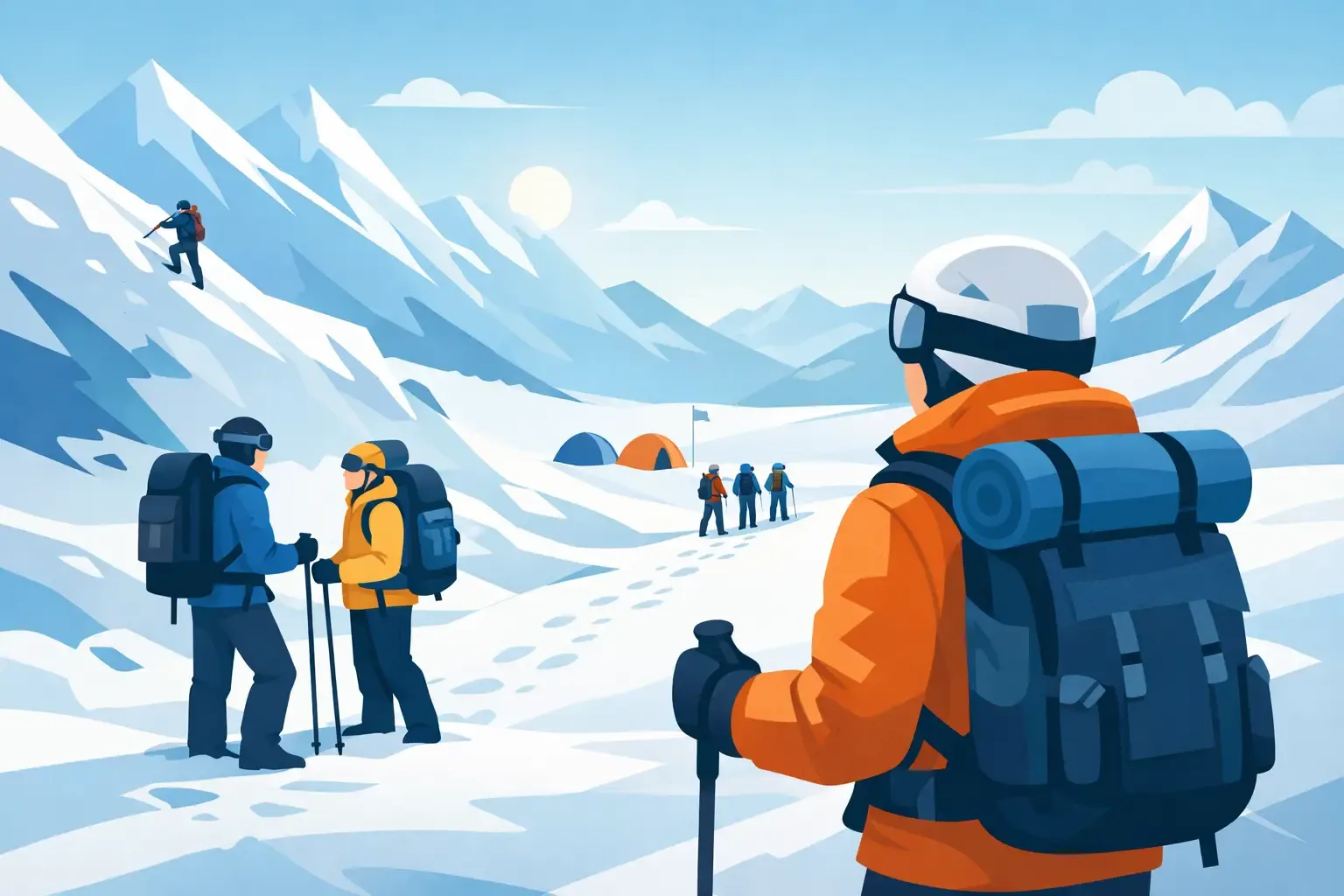
Snow travel looks romantic in photos, but on the ground it can be physically demanding. You may be pulling a sled, walking on uneven snow, managing cold hands, learning camp routines and getting used to shorter days. None of that rules beginners out. It simply means the trip has to match your current fitness, confidence and appetite for challenge.
The safest beginner snow expeditions are usually those with a strong instructional element. You are not expected to arrive already knowing how to layer clothing, travel efficiently on snowshoes or manage yourself in sub-zero conditions. You are there to learn. That is exactly why guided winter travel exists.
What makes a snow expedition beginner-friendly?
A beginner-friendly trip is not just a shorter itinerary with a softer name. It has certain features built into it from the start.
First, the environment matters. Remote winter landscapes can still be suitable for first-timers, but the level of exposure should be controlled. Forest routes, established camp areas and journeys with reliable guide support are very different from committing crossings where poor weather changes everything.
Second, the pace matters. Beginners need time to learn how to move, adjust layers, eat well in the cold and settle into camp life. A trip that allows that learning curve is far more enjoyable than one that treats every day as a fitness test.
Third, the group dynamic matters. Mixed-ability groups can work brilliantly when expectations are clear. A beginner does not need to be the fastest person there. They do need to be prepared, open to instruction and able to keep moving steadily for the required hours each day.
Finally, the brief matters. The best expeditions tell you exactly what you are signing up for. Distances, temperatures, sleeping arrangements, likely challenges and minimum fitness levels should all be clear before you book.
Skill matters less than mindset
Most beginners worry about technical skill. In truth, mindset is often the bigger factor. You do not need a long winter CV to join an entry-level expedition. You do need patience, resilience and a willingness to be uncomfortable at times.
Snow travel rewards people who listen, adapt and keep going. If you can follow guidance, look after yourself, communicate honestly and stay positive when conditions get tough, you are already bringing the right qualities.
Fitness still counts
This is where reassurance needs to stay honest. You do not need to be an elite athlete, but you do need a base level of fitness. Walking for several hours in cold weather while carrying a pack or towing a pulk feels different from a Sunday stroll in the park.
For most beginners, solid general fitness is enough. If you can manage regular hill walks, long day hikes or consistent endurance training, you are likely starting from a good place. If your current routine is mostly desk, sofa and good intentions, give yourself time to build up before heading into winter conditions.
What beginners usually get wrong
The biggest mistake is choosing a trip for the photo rather than the experience level. A frozen wilderness and a night under canvas can sound appealing, but the right first expedition is the one that builds confidence, not the one that leaves you clinging on.
Another common error is underestimating the cold. Cold affects everything – energy, hydration, morale, sleep and simple tasks like sorting gloves or opening a bag. Beginners often imagine snow as the challenge and forget that winter systems are a skill in themselves.
Then there is kit. Some people overbuy gadgets they do not need. Others turn up without understanding how layering works. Both create problems. Good expedition providers reduce that risk with clear kit lists and practical advice, and often that matters more than owning the most expensive gear.
How to prepare for your first snow expedition
Preparation should build confidence, not turn into a second full-time job. Start with fitness. Walking with a loaded day sack, building leg strength and improving your steady-state endurance will pay off quickly. You do not need exotic training. Consistency beats drama.
Next, get used to being outdoors in poor weather. A wet, windy day on the moors is not the Arctic, but it does teach you useful lessons about staying warm, eating on the move and keeping your head when conditions are less than perfect.
Practise with your clothing system before the trip. Learn what you run hot in, what you need when you stop, and how to keep spare gloves or layers dry. Winter comfort is usually less about one miracle jacket and more about lots of small, sensible decisions.
It also helps to arrive with the right expectations. Expeditions are not luxury breaks with a bit of snow on top. They are purposeful journeys. Some moments will feel magical. Others will be cold, hard work. That contrast is part of the appeal.
Can beginners join snow expeditions if they have never camped before?
Yes, sometimes. But this is one of those areas where details matter.
If the trip is fully guided, includes winter skills tuition and uses straightforward camp systems, first-time campers can absolutely take part. Many people have their first proper camp experience in the snow and come away wondering why they waited so long.
That said, if you have never slept outdoors, never packed a rucksack and never managed yourself through a cold evening, a gentler stepping stone may be the smarter move. A short winter skills weekend or a guided introductory trip can set you up far better than leaping straight into a longer expedition.
There is no prize for starting too hard. Adventure lasts longer when you build it well.
Who snow expeditions suit best
Snow expeditions suit people who want more than a sightseeing holiday. They are for those who like the idea of earning the view, learning new skills and feeling fully present in a wild place. You do not need to be a seasoned mountaineer. You do need to want the experience for what it is, not just for the story afterwards.
They often suit professionals who spend most of their week indoors and want something real at the edges of their comfort zone. They suit couples and friends who want a shared challenge. They also suit solo travellers who are looking for strong leadership, a clear structure and the confidence that comes from being part of a capable group.
For many first-timers, that is where the shift happens. What starts as a test becomes something more useful – proof that they can handle more than they thought.
The role of guided leadership
This is what turns a hard environment into an accessible experience. Strong leaders do more than navigate. They teach, read the group, manage risk, set the tone and help people settle into unfamiliar conditions.
That matters enormously for beginners. A well-led expedition strips away much of the uncertainty that puts people off. You are not left to figure out route choice, weather calls, safety protocols or camp systems alone. You get to focus on learning, moving and enjoying the journey.
This is also why operator choice matters. A company like Snow and Paddles builds confidence by making serious adventure feel achievable without pretending it is easy. That balance is exactly what beginners should look for.
So, should you go?
If you are reasonably fit, open to learning and excited by the idea of winter travel, there is every chance your first snow expedition is closer than you think. The key is choosing the right level, asking candid questions and respecting the environment you are stepping into.
You do not need years of experience to begin. You need the right expedition, the right guidance and the willingness to meet the challenge properly. Start there, and the snow stops feeling like a barrier. It starts feeling like the beginning of something much bigger.
The best adventures are rarely the ones you were born ready for. They are the ones you prepare for, commit to and remember because they changed what you believed you could do.