

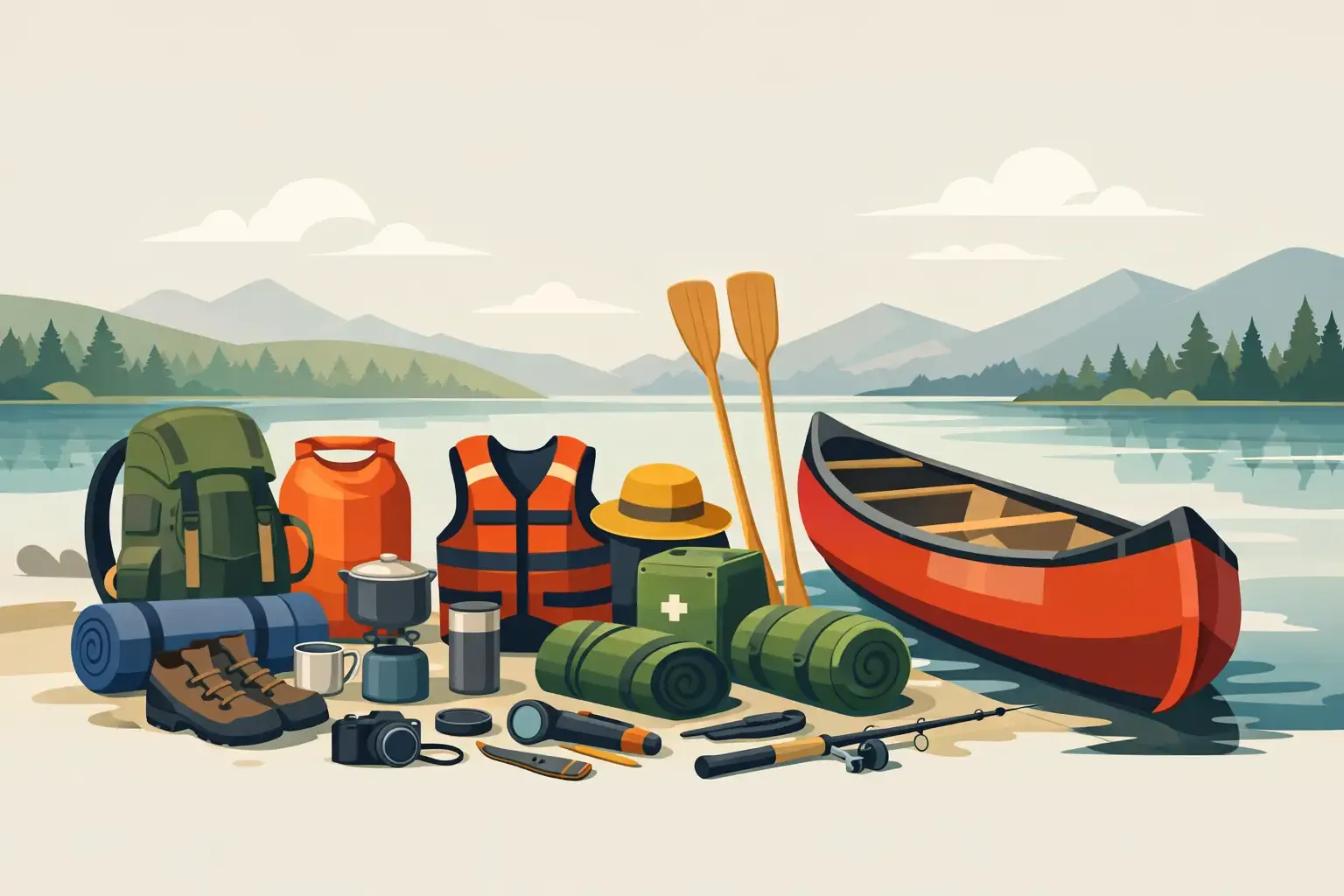
What Gear for Canoe Touring? A Smart Kit List
A canoe lets you carry more than a rucksack ever could, but that does not mean throwing everything into the boat. The real answer to what gear for canoe touring depends on your route, group, season and how far you are travelling from a road. Pack well and you will feel capable, warm and ready to enjoy camp. Pack badly and a short spell of rain can become a long lesson in discomfort.
For most UK canoe journeys, the goal is simple: keep yourself safe, keep essential kit dry, and bring enough comfort to recover properly at the end of the day. Start there, then add kit only when it earns its space.
What gear for canoe touring actually matters?
A touring canoe carries your kit, but it is still a boat. It can capsize, get caught in a downpour or take on water in wind and waves. Every item needs to be either waterproof, inside something waterproof, or genuinely fine to lose to the weather.
Think in systems rather than individual purchases. You need a paddling system, a dry-camp system, a sleep system, a food system and a safety system. When each is covered, you can stop chasing gadgets and focus on the journey ahead.
Your essential on-water kit
Your buoyancy aid is non-negotiable. It should fit snugly enough that it will not ride up around your ears in the water, while still allowing full movement through your shoulders. Try it on over the layers you expect to paddle in, rather than over a T-shirt in a warm shop.
A paddle that suits your height, canoe and paddling style matters more than most newcomers expect. A poorly sized paddle makes every mile harder on the hands, shoulders and back. Bring a spare paddle too, especially on multi-day trips or remote routes. It is lightweight insurance with a big payoff.
A waterproof map case, whistle and simple knife should be accessible while you are on the water. Keep your mobile phone protected in a waterproof pouch, but do not rely on it as your only means of navigation. Battery, signal and wet touchscreens all have a habit of failing at the wrong moment.
For open water, larger lochs or exposed river sections, conditions can change quickly. Check the forecast, know your route and be willing to adjust your plan. Strong wind is often a bigger challenge than rain, particularly when it catches the broad side of a loaded canoe.
Dry bags are not optional
Dry bags are one of the best investments you can make for canoe touring. Use several smaller bags instead of one enormous holdall. They are easier to pack into the canoe, easier to carry to camp and far less frustrating when you need one item halfway through the day.
A useful approach is to separate kit by purpose. Keep sleep kit together, spare clothing together, cooking gear together and food in its own bag or barrel. Your waterproofs, warm layer, lunch and first-aid kit should be close at hand, not buried under your tent.
It is worth using a tougher dry bag or barrel for food and cooking equipment. Canoes slide over shingle, get dragged above the waterline and meet muddy banks. Durable kit copes better with the reality of expedition travel than a delicate bag packed at home.
Before setting off, close each dry bag properly and squeeze out excess air. A bag full of air is awkward to pack and can float loose if the canoe goes over. That may sound useful, until your kit is drifting downstream faster than you can reach it.
Clothing for a British canoe journey
Dress for the water temperature and weather, not the image you have of a summer adventure. Even in July, wind and rain can make a long day of paddling feel cold. In spring and autumn, cold water raises the stakes considerably.
Avoid cotton where possible. Once wet, it takes a long time to dry and pulls warmth from your body. Synthetic or merino base layers, fleece insulation and a windproof or waterproof outer layer give you far more options. You can add or remove layers as the day changes.
On your feet, choose footwear that can get wet and still protect you on slippery stones, muddy banks and short portages. Closed-toe water shoes, old trail shoes or lightweight boots are usually more useful than sandals. Bring dry camp shoes as well. Changing out of wet footwear at the end of the day feels like a small luxury until it becomes the best moment of camp.
Pack a warm hat even in summer, plus a sun hat, sunglasses and high-factor sun cream. Water reflects sunlight, and a quiet day on the water can deliver more exposure than a hill day. Gloves can also be useful on colder trips or for paddlers prone to blisters.
Build a camp that helps you recover
The reward for a full day in the canoe is a camp that works. Your tent, sleeping bag and sleeping mat need to match the expected night temperatures, not merely the season printed on the label. A poor sleeping mat can make even a good sleeping bag feel inadequate because cold ground drains heat fast.
Choose a tent that you can put up confidently in rain and wind. Practise at home first. On a canoe tour, you may arrive at camp tired, damp and with fading light. That is not the time to discover that a pole is missing or the flysheet needs a particular order.
A compact tarp is a brilliant addition for group trips. It creates a dry place to cook, sort kit and share the stories that make a journey memorable. It is not essential for every fair-weather overnight, but on longer British tours it earns its place quickly.
Bring a head torch rather than relying on your mobile phone, and pack spare batteries or a power bank in a dry bag. A small repair kit is equally sensible: duct tape, cable ties, a needle and strong thread, plus patches suited to your sleeping mat or dry bags. It is not glamorous kit, but it can rescue a trip.
Food, water and the kitchen bag
Canoe touring allows you to eat better than many lightweight adventures. You can carry a proper stove, fuel, pot, mug and enough food for satisfying meals without counting every gram. That said, keep cooking simple. One-pot meals, porridge, wraps, noodles and quick hot drinks reduce washing-up and save time when the weather turns.
Treat water carefully. Carry enough for your first day and have a reliable method to filter or purify more, even if your route passes places where water looks clear. Clear water is not automatically safe water. A water filter, purification tablets and a collapsible water container give you flexibility at camp.
Store food securely and keep your cooking area tidy. In the UK, the issue is usually curious wildlife rather than bears, but rodents, birds and insects will happily take advantage of an open food bag. On overseas expeditions, local guidance may require a more specific food-storage system.
Safety gear and the confidence to use it
Your first-aid kit should fit the trip rather than being an untouched collection of mystery plasters. Include treatment for cuts, blisters, minor burns and common pain relief, plus any personal medication. Add an emergency shelter for day trips and a more substantial group shelter for exposed or cold conditions.
For multi-day or remote canoe touring, carry a communication plan. Tell someone where you are going, when you expect to finish and what you will do if conditions change. A fully charged mobile phone in a waterproof case is useful, while a satellite communicator or personal locator beacon may be appropriate for remote areas with limited signal.
The most valuable safety item is not something you buy. It is sound judgement. Learn how to fit a buoyancy aid, recover a canoe, read moving water and make a conservative call when wind or weather builds. Guided trips are a strong way to gain those skills in real conditions, with experienced leaders there to help you progress rather than simply get through the day.
Pack for the route, not the fantasy
A quiet two-day canal journey needs different kit from a week in Sweden or a remote river expedition. On an easy overnight, you may favour comfort: a better meal, camp chair or coffee pot. On a route with long portages, every extra item becomes weight on your shoulders. On cold-water trips, suitable clothing and emergency equipment move from useful to essential.
Before you leave, lay everything out and ask three questions: Will this keep me safe? Will this keep me warm, dry or fed? Will I genuinely use it? If the answer is no, leave it behind. Then make sure the important items are packed where you can reach them.
The best canoe touring kit does not make the wild feel controlled. It gives you the confidence to meet it well: to paddle into a changing sky, make a good camp, share a hot drink by the water and wake ready for the next bend in the river.