

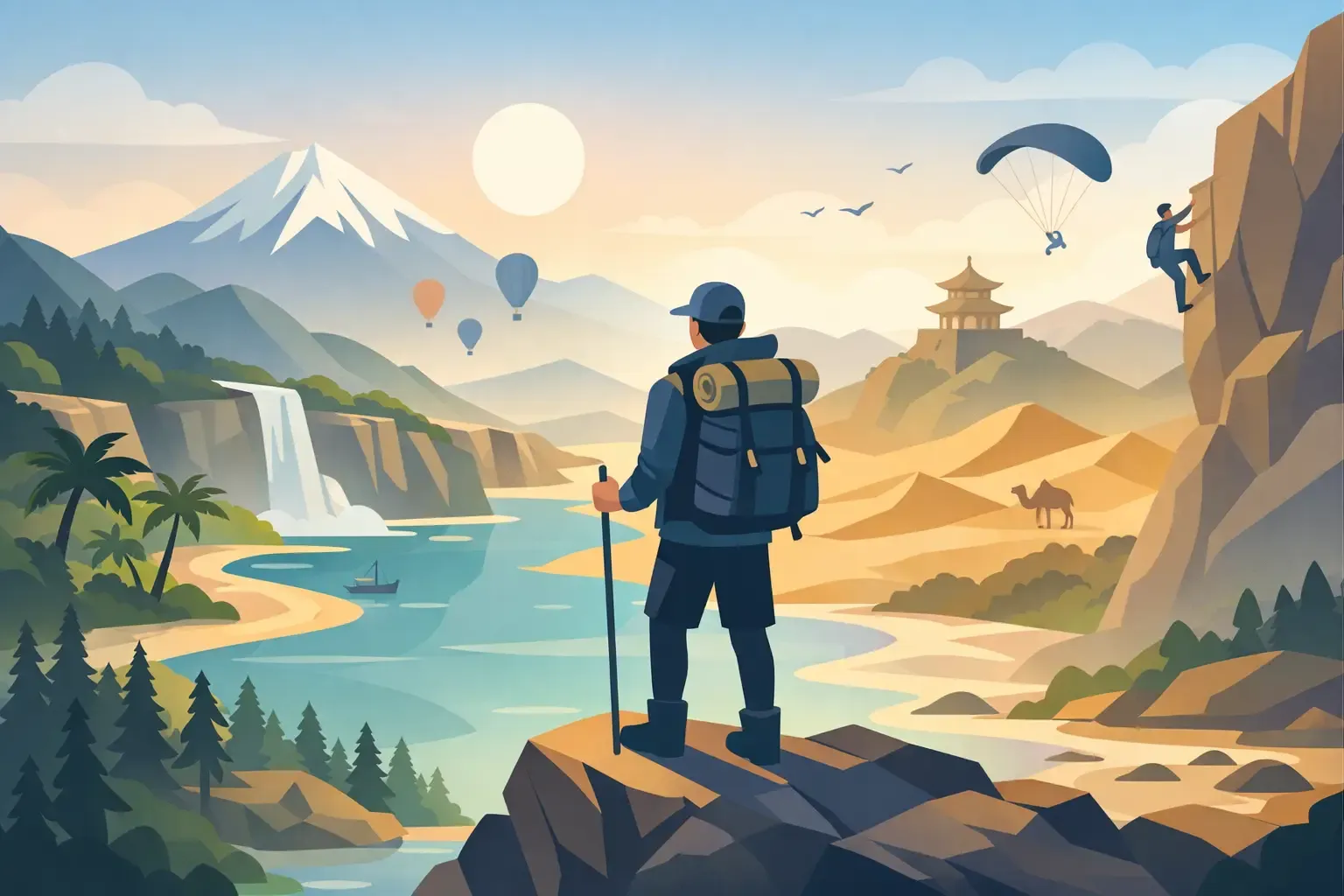
A Guide to Transformative Adventure Travel
The moment that stays with you is rarely the postcard view. It is the point when the weather turns, your arms are tired from paddling, and you realise you can still make sound decisions, support the people around you and keep moving forward. That is what a guide to transformative adventure travel should help you find: not simply a dramatic destination, but an experience that changes how you meet the rest of your life.
A proper adventure does not need to mean being the fittest person in the group or having years of expedition experience. It needs a meaningful level of challenge, time away from routine, and the right support to help you go further than you would alone. A two-day canoe journey can shift your perspective as powerfully as a long-haul expedition if it asks something real of you.
What makes adventure travel transformative?
Transformative travel is not about collecting the most extreme story. It is about returning home with a stronger sense of what you are capable of. You may learn to read a river, light a fire in wet conditions, navigate on snow, or keep your nerve on a steep climb. The practical skill matters, but the deeper value comes from applying it when conditions are unfamiliar and comfort is not guaranteed.
Nature creates the space for this. Without the constant noise of work, screens and daily commitments, you notice more: the rhythm of a paddle stroke, the sound of a forest settling at night, the difference between a cold morning you expected and one you are ready for. Small decisions become clear and immediate. Put the shelter up before the rain. Share the load. Eat before you are depleted. Keep moving when the easy option is to stop.
The group matters too. Adventure is often more powerful when it is shared. A good team does not require everyone to be identical in fitness, confidence or experience. It requires people who are willing to contribute, communicate and look after one another. Many travellers arrive as strangers and leave with friendships built through effort rather than small talk.
Choose the right kind of challenge
The most useful question is not, “What is the hardest trip I can book?” Ask, “What would stretch me in the right direction?” The answer depends on your experience, appetite for discomfort and what you want from the time away.
If your working life is fast, indoor and tightly scheduled, a wilderness canoe adventure can be a powerful reset. You are moving under your own power, carrying what you need and making camp in a place that has no interest in your inbox. The pace is physical but approachable, and beginners can build confidence quickly with expert instruction.
If you want to test self-reliance, a survival experience makes the essentials visible. Shelter, warmth, water and food stop being abstract ideas. These trips reward patience and practical thinking more than bravado. They are particularly good for people who want to develop skills they can carry into future adventures across the UK and beyond.
Snow changes the equation. A husky sled journey, snowmobile expedition or Arctic adventure brings cold, distance and a sense of true remoteness. The reward is enormous: wide horizons, crisp silence and a daily rhythm shaped by weather and light. But cold environments demand respect. Choose an itinerary with clear preparation guidance, experienced leaders and appropriate equipment rather than treating an Arctic trip as a standard winter holiday.
For a major goal such as Kilimanjaro or a remote international expedition, preparation becomes part of the experience. Training, kit choices, altitude awareness and realistic expectations all matter. Reaching a summit can be significant, but a successful expedition is one in which you travel well, make sensible calls and come home healthy, regardless of whether every original plan survives the conditions.
A guide to transformative adventure travel starts with honest preparation
You do not need to arrive fully formed. In fact, most worthwhile trips are designed to teach you along the way. But honesty before you book will make the experience safer and far more rewarding.
Be clear about your current fitness. You do not need to be an athlete for every adventure, yet you should prepare for the demands described by the operator. Regular walking, cycling, swimming or strength work in the weeks before departure can make long days more enjoyable. If a trip involves carrying a pack, practise with one. If it involves cold, learn how your clothing system works before you are trying to adjust it with numb fingers.
Also be honest about your relationship with uncertainty. Adventure travel includes variables: wind can alter a route, snow can slow progress, and a river may ask for a different plan than the one imagined at home. That is not poor organisation. It is the reality of travelling in natural environments. The best guided trips have a strong plan and the judgement to adapt it.
Your kit should serve the journey, not turn you into a walking outdoor shop. Prioritise footwear that is worn in, layers that work when wet or cold, and a waterproof system you understand. Ask what is supplied, what is essential to bring, and what is optional. A reputable operator will answer plainly, including what happens if weather or safety conditions require an itinerary change.
Choose guidance, not just an itinerary
A route on a map is not the same as an expedition. The people leading your trip shape the entire experience: they set the standard for safety, teach without talking down to you, read changing conditions and know when to push on or turn back.
Look for leaders with genuine experience in the environments you will enter, backed by relevant qualifications and sound operating procedures. Ask about group size, skill level, transport, accommodation, food and contingency plans. If you are booking a trip that includes travel arrangements, understand the financial protection provided and what is covered by the booking terms.
Good leadership does not remove challenge. It makes challenge purposeful. You still feel the wind, carry the kit and face your own doubts. What you gain is the confidence that someone capable is managing the wider picture while helping you develop your own judgement. That balance makes ambitious travel accessible to first-timers as well as experienced adventurers.
Snow and Paddles builds its guided experiences around that principle: real wilderness, clear support and adventures that meet people where they are before taking them somewhere memorable.
Let discomfort do its job
There is a difference between productive discomfort and misery. A wet boot, an early start or a long paddle can become part of the story because they sit alongside warm food, shared laughter and the satisfaction of arriving under your own effort. Poorly chosen kit, ignored health concerns or an itinerary beyond your ability are not badges of honour. They can drain the enjoyment from a trip that should have built you up.
The aim is not to suffer for a photograph. It is to encounter enough friction that your usual habits no longer carry you automatically. When you make a fire after several failed attempts, settle into a tent while rain falls outside, or find a second wind near the end of a hard day, you gain evidence. You have done something difficult, and you know more about how you respond when life is not convenient.
Bring the experience home
The return journey is often where the value becomes visible. You may notice that a stressful meeting feels less overwhelming after you have handled a difficult day outdoors. You may be more willing to try something new, spend more time outside, or protect time with friends who bring out your best.
Do not rush past that change. Save the photographs, certainly, but also write down the moments that surprised you. What did you find hard? When did you feel most alive? What did the group teach you? The answers can point towards your next adventure, whether that is a winter skills course, a canoe expedition, a fishing trip or a bigger journey into the mountains.
Choose the trip that makes you feel alert, slightly nervous and genuinely curious. Then give yourself permission to begin before you feel completely ready. The wilderness has a way of showing you that capable does not mean fearless – it means taking the next good step, even when the path is new.