

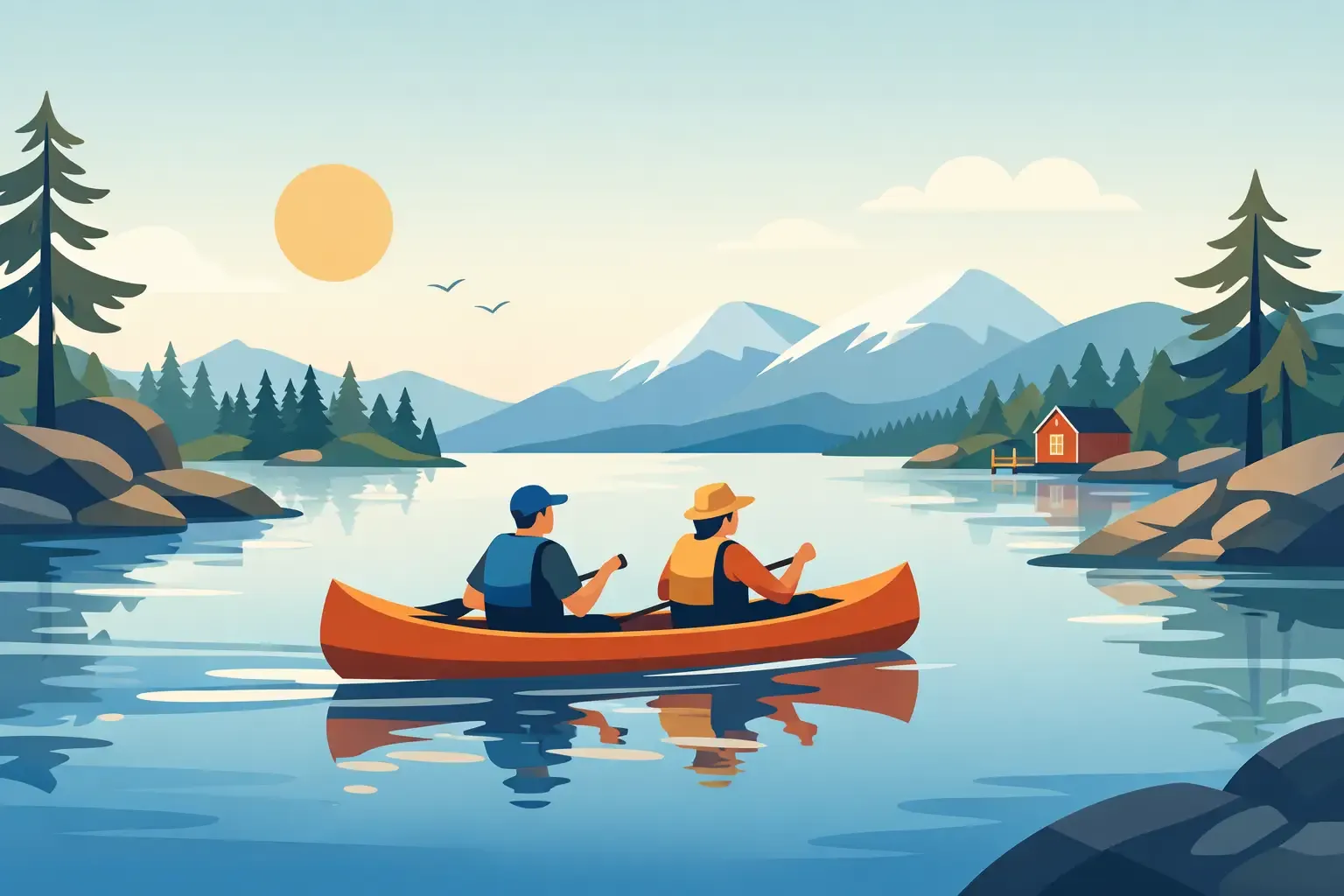
A Guide to Swedish Canoe Expeditions
The first time you glide onto a Swedish lake at dawn, the difference is obvious. Space. Silence. Shorelines that seem to run forever. A good guide to Swedish canoe expeditions starts there – not with gear lists or map symbols, but with the fact that Sweden gives you room to paddle properly, settle into expedition rhythm and feel a long way from your usual week.
For UK paddlers, that is a big part of the draw. Sweden offers wilderness that feels substantial without demanding elite-level expedition experience. You can travel through linked lakes, weave between islands, carry over short portages and camp close to the water, all while building confidence day by day. It is adventurous, but it is also achievable when the trip is planned well and led properly.
Why Swedish canoe expeditions feel different
Sweden suits canoe travel because the landscape does half the work for you. Vast lake systems, forested shorelines and relatively light development create journeys that feel immersive rather than interrupted. You are not squeezing adventure into a narrow corridor. You are moving through a place built for it.
The other reason is pace. Expedition canoeing in Sweden is rarely about chasing white water or ticking off miles at all costs. It is about travelling well. You paddle, read weather, choose camp, cook outdoors and wake up ready to do it again. That steady rhythm is exactly what many people are after when they book a guided trip. It strips things back in the best way.
That said, not every Swedish route feels the same. Some areas are ideal for first-time expedition paddlers because the water is more sheltered and the daily distances can stay modest. Others are more exposed, with larger crossings and stronger winds that can change the day quickly. Sweden is accessible, but it still rewards judgement.
A guide to Swedish canoe expeditions for UK paddlers
If you are travelling from the UK, the easiest mistake is to imagine Sweden as one giant, uniform wilderness. It is not. Conditions vary by region, season and route design, and the right trip depends on what sort of challenge you actually want.
If you are newer to canoe camping, look for journeys based around interconnected lakes with manageable portages and flexible daily plans. These routes give you the feel of expedition travel without forcing big, exposed crossings. If you have more experience and want a stronger sense of remoteness, longer routes with wilder camps and more self-sufficient travel can be a better fit.
This is where guided support matters. A strong expedition leader is not there to remove the adventure. They are there to make good calls on route choice, weather windows, campcraft and group pacing. That means you spend less time second-guessing logistics and more time getting the best from the journey.
Choosing the right season
Summer is the obvious paddling window, but the best time depends on what you value most. Early summer often brings long days, fresh green forests and cooler conditions on the water. Mid-summer gives you extraordinary daylight and a real sense of northern freedom, though some areas can be busier and insects may be more noticeable. Late summer often suits paddlers who want quieter camps, slightly cooler nights and more settled routines.
Weather is one of the biggest variables on any Swedish canoe trip. A warm, calm day can make a broad lake feel welcoming. The same stretch of water under strong wind can stop progress altogether. That is not a flaw in the experience. It is part of real expedition travel. The best trips are planned with enough flexibility to adapt rather than force a schedule.
What makes a route work well
The best Swedish canoe expeditions are not always the longest. A strong route balances journey, challenge and margin. You want enough distance to feel the satisfaction of travelling through a landscape, but not so much that every day becomes a race against weather or fatigue.
Look for routes with sensible camp options, access to fresh water where appropriate, realistic portages and alternatives if conditions shift. Large open lakes can be spectacular, but they bring exposure. Narrower linked systems can offer more shelter and still feel properly remote. There is always a trade-off. Bigger water often delivers the grandest scenery, while smaller waters can give a smoother first expedition experience.
For many paddlers, that balance is the difference between a hard but brilliant week and a trip that feels like survival for the wrong reasons.
Kit for Swedish canoe travel
You do not need to own a garage full of specialist equipment to enjoy Sweden, but you do need the right essentials. Dry storage matters. Layers matter. Camp kit that works in wet weather matters. A canoe expedition rewards practical gear, not fancy gear.
Clothing should be built around quick-drying layers, waterproofs and something genuinely warm for evenings. Even after a hot day, temperatures can drop when you stop moving. Good footwear is another one that people underestimate. You need something that can cope with getting wet, uneven ground and repeated launching and landing.
At camp, simplicity wins. A reliable tent, sleeping system suited to the season and straightforward cooking setup are usually enough. On a guided expedition, much of the complexity is already handled for you, which means you can focus on personal kit and comfort rather than trying to solve every logistical problem yourself.
If you are unsure, ask what is provided and what is expected before you travel. That sounds basic, but it removes a huge amount of pre-trip stress.
Fitness, experience and confidence
One of the best things about Swedish canoe expeditions is that they are not reserved for hardened expedition veterans. Plenty of people arrive with limited paddling experience and leave with a completely different view of what they are capable of.
You do not need to be an athlete, but you do need to be ready for active days, outdoor living and the mental shift that comes with expedition life. Paddling for several hours, helping with camp and functioning well in changing weather is very different from a casual afternoon hire on a local river.
Confidence usually grows quickly once the journey starts. The first launch can feel unfamiliar. By the second or third day, most people settle into the rhythm. That is another argument for guided travel. You are learning as you go, in the right setting, with experienced support close at hand.
The practical side people often overlook
A Swedish canoe expedition is not just about time on the water. It is also about transfer days, packing systems, group dynamics, camp routines and decision-making when weather changes the plan. Those are the details that turn an attractive idea into a smooth trip.
Food, for example, makes a bigger difference than many people expect. Good expedition meals lift morale, support energy and give structure to the day. Campcraft matters too. Knowing how to land efficiently, keep kit dry and set up a solid camp in mixed weather has a direct impact on how enjoyable the trip feels.
Safety sits quietly behind all of this. On well-run trips, it is present in route choice, briefing quality, equipment standards and leader judgement. It should feel reassuring, not overbearing. Real adventure needs competence behind it.
Why guided expeditions make sense
Could you organise a Swedish canoe trip independently? Of course, if you have the experience, time and appetite for planning. But for many UK travellers, a guided expedition is the smarter way in. It removes a lot of complexity around logistics, route design, equipment, local knowledge and risk management.
More importantly, it lets you arrive ready to travel rather than spend weeks trying to build the trip from scratch. That is especially valuable if you want the experience to feel like an adventure from the first paddle stroke, not an admin project with canoes attached.
For first-timers, guided support can open the door to something much bigger than a one-off holiday. For experienced outdoor people, it can be the difference between a decent trip and a genuinely memorable expedition. Companies such as Snow and Paddles build these journeys so that challenge and reassurance sit side by side, which is exactly what many people need to take the step.
What you take home from Sweden
The obvious answer is photographs, a few tired shoulders and the satisfaction of travelling under your own effort. But the deeper value tends to be quieter than that. Swedish canoe expeditions give you a chance to operate simply and well. Paddle. Cook. Camp. Read the weather. Keep moving.
That sounds small, yet it often feels enormous when normal life is loud and crowded. You return with more than a good story. You come back steadier, clearer and usually a bit more capable than when you left.
If you are thinking about Sweden, the best approach is not to ask whether it will be perfectly comfortable. Ask whether it offers the kind of challenge that sharpens you without tipping into misery. Get that balance right, and a canoe expedition there can become the trip that resets your sense of what adventure is meant to feel like.